
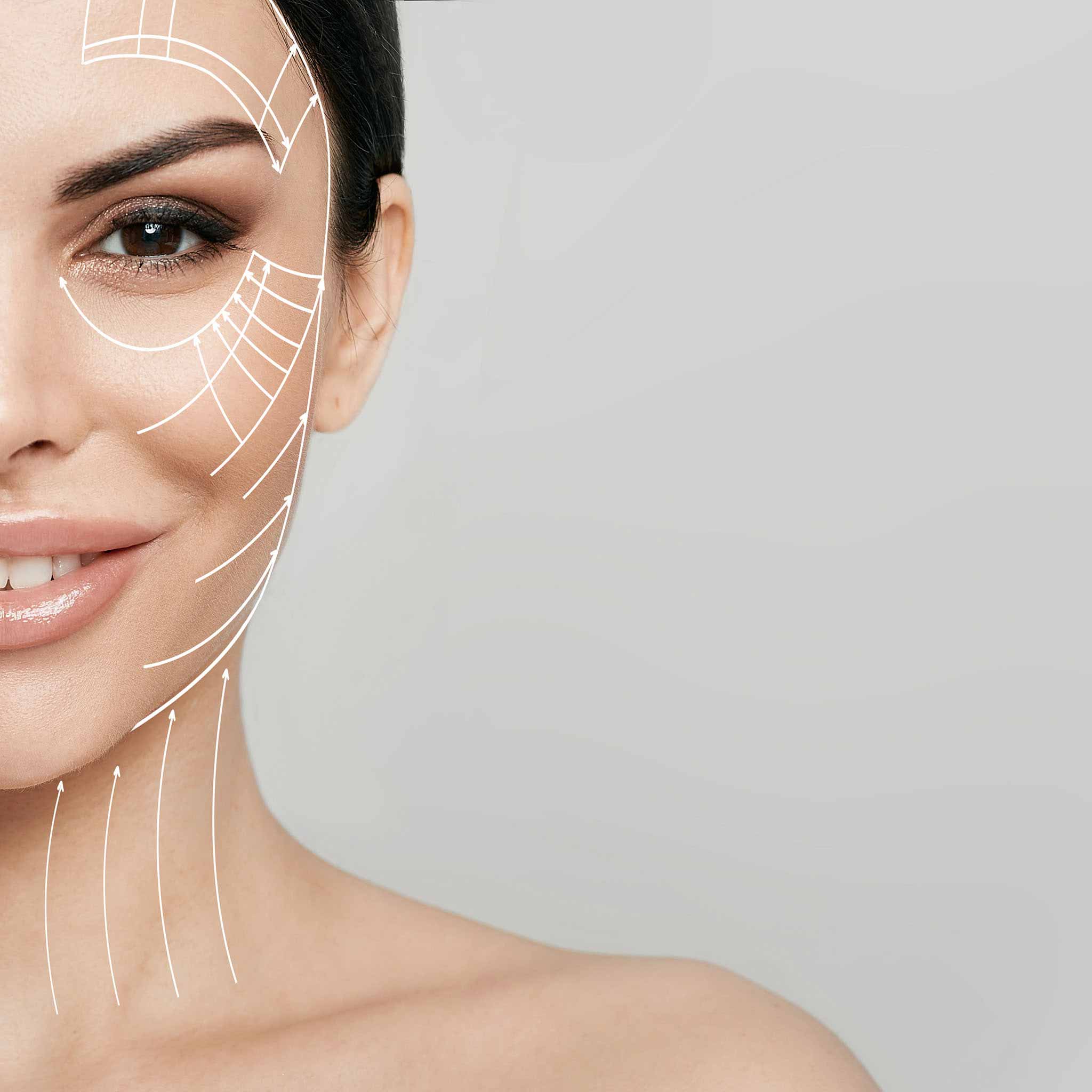
The Ultimate Aesthetic Machine Comparison Guide 2026
Compare leading clinic technologies for skin tightening, resurfacing, pigmentation, vascular treatments, and hair removal.
Best Aesthetic Machines for Clinics 2026 | Compare Leading Treatment Technologies
Professional Aesthetics Technology Guide · 2026
Which Aesthetic Machine Is Right for Your Clinic?
Compare the technologies behind some of the most in-demand professional aesthetic treatments, from skin tightening and fractional rejuvenation to hair removal, pigmentation and vascular treatments.
This guide is designed to help clinic owners understand where HIFU, Thulium and Erbium Glass laser, RF microneedling, monopolar RF, IPL, diode laser, Nd:YAG and CO₂ fractional laser fit within a modern treatment menu.
Start with the treatment menu
There Is No Single “Best” Aesthetic Machine
The best machine for a clinic is the one that matches the treatments you want to offer, the patients you see, the level of downtime they will accept and the way you want to position your business.
A clinic focused on non-surgical lifting may place HIFU or monopolar RF at the centre of its menu. A skin-focused practice may get more value from Thulium, Erbium Glass, RF microneedling or CO₂ resurfacing. Clinics built around high-volume hair reduction may prioritise diode or other dedicated laser technology.
Increasingly, established clinics combine complementary technologies rather than expecting one platform to treat every concern.
Quick Takeaway
Choose the treatment category first and the machine second. Start with the problems your patients want solved, then compare platforms according to treatment capability, patient experience, recovery profile, training requirements and commercial fit.
At a glance
Professional Aesthetic Technologies Compared
Each technology works differently and occupies a different place within a clinic treatment menu.
| Technology | How it works | Typical strengths | Typical recovery profile |
|---|---|---|---|
| Thulium 1927nm | Fractional laser energy targets superficial skin layers. | Pigmentation, uneven tone, visible pores, brightness and low-downtime skin renewal. | Generally lower downtime than ablative resurfacing. |
| Erbium Glass 1550nm | Non-ablative fractional laser energy works deeper within the dermis. | Texture, acne scarring, fine lines and collagen remodelling. | Moderate, protocol-dependent recovery. |
| HIFU | Focused ultrasound targets selected structural depths beneath the skin. | Non-surgical lifting, tightening and facial or body contouring. | Usually minimal visible downtime. |
| Monopolar RF | Radiofrequency energy heats deeper tissue without needles. | Skin tightening, firmness and collagen remodelling. | Usually minimal visible downtime. |
| RF Microneedling | Microneedles deliver radiofrequency energy at controlled depths within the skin. | Acne scarring, texture, pores, skin quality and tightening. | Short visible recovery is common. |
| IPL | Broad-spectrum light targets selected chromophores within the skin. | Uneven pigmentation, visible redness, photodamage and general skin rejuvenation. | Usually short and treatment-dependent. |
| Diode Laser | Laser energy targets melanin within the hair follicle. | Long-term hair reduction. | Usually minimal. |
| Long-Pulse Nd:YAG 1064nm | A longer wavelength reaches deeper structures within the skin. | Selected vascular treatments and hair reduction, depending on system and patient suitability. | Varies according to application. |
| CO₂ Fractional Laser | Fractional ablative laser creates controlled microscopic treatment zones within the skin. | Deeper resurfacing, texture, wrinkles and acne scarring. | Greater downtime than non-ablative fractional technologies. |
Start with what you want to treat
Which Technology Fits Your Clinic Goals?
These are broad positioning guides rather than patient-specific treatment recommendations. Final suitability depends on the individual patient, practitioner assessment, treatment parameters and the specific system being used.
Lifting & Skin Laxity
Consider HIFU and monopolar RF where tightening and structural support are the main treatment objectives.
Pigmentation & Uneven Tone
Thulium laser and selected IPL protocols can be useful where superficial pigmentation and photodamage form a major part of the clinic treatment menu.
Texture & Acne Scarring
RF microneedling, 1550nm Erbium Glass and CO₂ fractional laser provide different routes depending on depth, downtime and the degree of remodelling required.
Low-Downtime Skin Rejuvenation
1927nm Thulium can be particularly attractive to clinics wanting visible improvements in tone and skin quality without positioning every treatment around aggressive resurfacing.
Hair Reduction
Dedicated diode and appropriate laser platforms remain important choices for clinics building a high-volume hair reduction service.
Vascular Treatments
Long-pulse Nd:YAG and selected IPL technologies can play important roles depending on the vascular concern, skin type and platform configuration.
Fractional skin rejuvenation
Thulium & Erbium Glass Laser
A growing treatment category for clinics wanting versatile fractional skin rejuvenation with options across superficial renewal and deeper collagen remodelling.
For Tone, Pigmentation & Skin Quality
The 1927nm Thulium wavelength is particularly suited to superficial skin renewal, including uneven pigmentation, dullness, visible pores, uneven tone and overall skin quality.
For clinics, one of its strongest commercial advantages is the balance between visible treatment outcomes and a more manageable recovery profile than more aggressive ablative resurfacing.
For Texture, Scarring & Remodelling
1550nm Erbium Glass works deeper within the dermis and is better suited to concerns such as acne scarring, rough texture, fine lines and collagen remodelling.
A dual-wavelength platform can therefore allow clinics to address both more superficial skin-quality concerns and deeper textural concerns from one system.
Non-surgical lifting
HIFU — High-Intensity Focused Ultrasound
HIFU uses focused ultrasound to deliver energy at selected depths beneath the skin surface. It is most commonly positioned around lifting, tightening and contouring rather than surface texture or pigmentation.
This makes HIFU particularly relevant to clinics treating concerns such as jawline definition, jowls, lower-face laxity, neck firmness and selected body-tightening concerns.
It can also complement surface-focused treatments because it addresses a very different treatment objective from fractional laser, IPL or RF microneedling.
Radiofrequency technology
RF Microneedling & Monopolar RF
Both use radiofrequency energy, but they deliver it in different ways and suit different treatment objectives.
RF Microneedling
Combines controlled microneedling with RF energy delivered at selected depths. It is commonly used where acne scarring, enlarged pores, uneven texture, collagen remodelling and skin quality are key concerns.
Monopolar RF
Delivers radiofrequency energy without needles and is typically positioned around deeper heating, skin firmness, tightening and collagen stimulation with little visible surface disruption.
High-demand clinic treatments
IPL, Diode & Nd:YAG Laser Platforms
Light and laser systems can form the commercial backbone of a clinic where hair reduction, pigmentation, vascular treatments and general skin rejuvenation make up a significant part of the treatment menu.
IPL
Broad-spectrum light can provide clinics with flexibility across concerns such as uneven pigmentation, photodamage, visible redness and general skin rejuvenation.
Diode Laser
Primarily associated with long-term hair reduction, making diode platforms particularly relevant to clinics where hair removal is an important high-volume treatment category.
Long-Pulse Nd:YAG 1064nm
The deeper-penetrating 1064nm wavelength can support selected vascular and hair reduction applications, depending on system configuration, skin type and practitioner assessment.
Multi-Technology Platforms
For clinics wanting broader treatment capability from one investment, combined systems can allow several treatment categories to be offered without purchasing separate machines for every application.
Deeper resurfacing
CO₂ Fractional Laser
CO₂ fractional laser occupies a different position from low-downtime fractional treatments. As an ablative technology, it is generally selected where more intensive resurfacing and remodelling are required.
It can be particularly relevant to clinics treating more established texture changes, wrinkles and acne scarring, but the greater treatment intensity also means patient selection, aftercare and recovery expectations become especially important.
For clinics comparing CO₂ with Thulium or Erbium Glass, the question is therefore not simply which is “better”. The decision comes down to treatment objective, depth, patient tolerance for downtime and the type of skin programme the clinic wants to offer.
Commercial positioning
How the Technologies Fit Into a Clinic Menu
This is often more useful than trying to rank every technology from best to worst.
| Technology | Best positioned around | Useful alongside |
|---|---|---|
| Thulium 1927nm | Pigmentation, tone, pores and low-downtime rejuvenation | Erbium Glass, RF microneedling, HIFU |
| Erbium Glass 1550nm | Texture, acne scarring and dermal remodelling | Thulium, RF microneedling |
| HIFU | Lifting, tightening and contouring | Thulium, RF microneedling, skin-quality treatments |
| Monopolar RF | Firming and non-invasive RF tightening | RF microneedling, fractional skin treatments |
| RF Microneedling | Texture, pores, scarring and collagen remodelling | Monopolar RF, HIFU, fractional laser |
| IPL | Photodamage, redness and uneven pigmentation | Fractional rejuvenation and skin-quality programmes |
| Diode Laser | Long-term hair reduction | Broader multi-treatment laser platforms |
| Nd:YAG 1064nm | Selected vascular and hair applications | IPL and other laser wavelengths |
| CO₂ Fractional | More intensive resurfacing and scar treatment | Lower-downtime maintenance and skin-quality treatments |
Choosing the supplier matters too
Professional Technology Needs Professional Support
Choosing the right technology is only part of the investment. Training, installation, ongoing support and the way a new treatment is introduced into your clinic can be just as important as the machine itself.
Across much of the Pure Tone Aesthetics professional range, we support clinics from initial machine selection through to installation, training and ongoing clinical and technical guidance.
Nurse-Led Training
Practical training available across much of our professional range, with CPD-certified training on selected systems.
Delivery & Installation
Many larger professional systems are personally delivered, installed and set up by our team.
Ongoing Support
Continued clinical and technical guidance to help your team use the technology with confidence.
Clinic Growth Support
Patient launch and growth support is available with selected professional platforms.
Common clinic questions
Choosing an Aesthetic Machine — FAQs
What is the best aesthetic machine for a new clinic?
There is no single best machine for every new clinic. Start with the treatments you want to become known for, the type of patients you expect to see and the amount of investment you are comfortable making. A versatile platform may suit one clinic, while another may benefit more from specialising in a high-demand treatment category.
Which technology is best for skin tightening?
HIFU and monopolar RF are both commonly positioned around skin tightening, but they work differently. HIFU delivers focused ultrasound at selected structural depths, while monopolar RF uses radiofrequency heating to support firmness and collagen remodelling.
What is the difference between Thulium and CO₂ laser?
1927nm Thulium is a non-ablative fractional technology particularly suited to pigmentation, uneven tone and low-downtime skin renewal. CO₂ is an ablative fractional technology used for more intensive resurfacing and generally involves greater downtime and aftercare.
What is the difference between RF microneedling and monopolar RF?
RF microneedling combines needles with radiofrequency energy and is commonly used for texture, acne scarring, pores and remodelling. Monopolar RF delivers radiofrequency energy without needles and is more commonly positioned around tightening and firmness.
Is IPL a laser?
No. IPL uses broad-spectrum intense pulsed light rather than a single laser wavelength. It is commonly used in clinics for selected pigmentation, redness and photorejuvenation treatments.
Is 755nm an Nd:YAG wavelength?
No. 755nm is associated with Alexandrite laser technology, whereas long-pulse Nd:YAG commonly operates at 1064nm. These wavelengths have different optical characteristics and treatment applications.
Should a clinic buy one multi-treatment platform or several specialist machines?
It depends on your treatment model. Multi-treatment systems can provide flexibility and reduce the number of separate machines required, while specialist platforms can make sense where a clinic wants to build a strong reputation around a particular treatment category.
Does Pure Tone provide training with professional machines?
Training and support vary by system. Across much of the professional range, Pure Tone provides practical training and ongoing support, with CPD-certified nurse-led training available on selected platforms. Check the individual machine page or speak to the clinic team for the exact package included with a particular system.
Can Pure Tone help us compare machines before we buy?
Yes. The clinic team can discuss the treatments you currently offer, the technologies you are considering and how each system may fit your treatment menu, patient base, budget and growth plans.
Talk to our clinic team
Still Deciding Which Technology Fits Your Clinic?
Tell us which treatments you want to offer and what you want the investment to achieve. We can help you compare platforms, discuss training and support, and narrow the options to the systems that make sense for your clinic.
Trusted by Aesthetic Clinics & Practitioners
Hear from clinics using Pure Tone Aesthetics technology, training and ongoing support in real treatment environments.
-
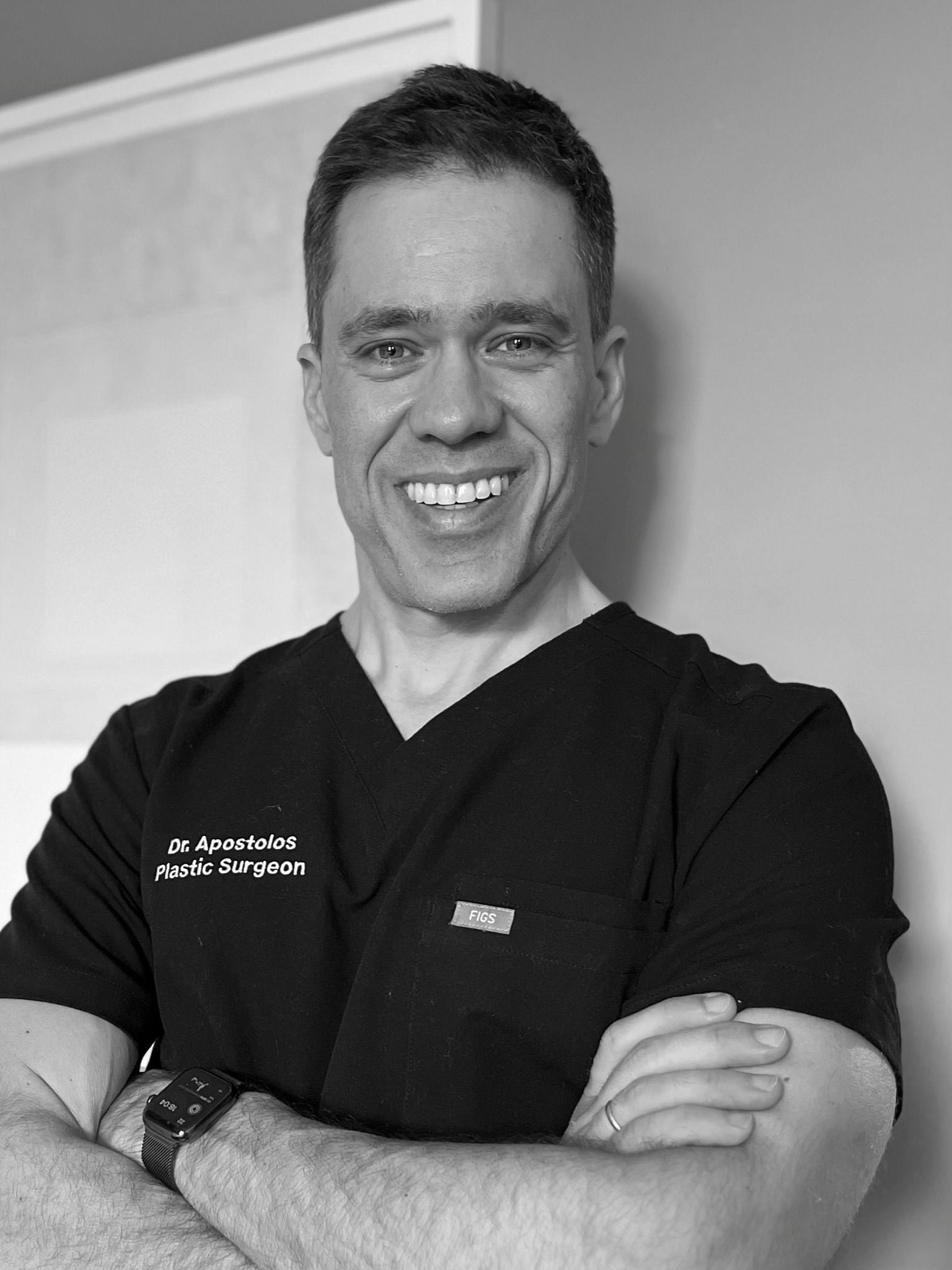
Dr.Apostolos Plastic Surgeon
"Pure Tone Aesthetics stands out for their exceptional product quality and innovation. Their devices deliver outstanding results, their technical support is unparalleled—always responsive, knowledgeable, and ready to assist with any queries"
-
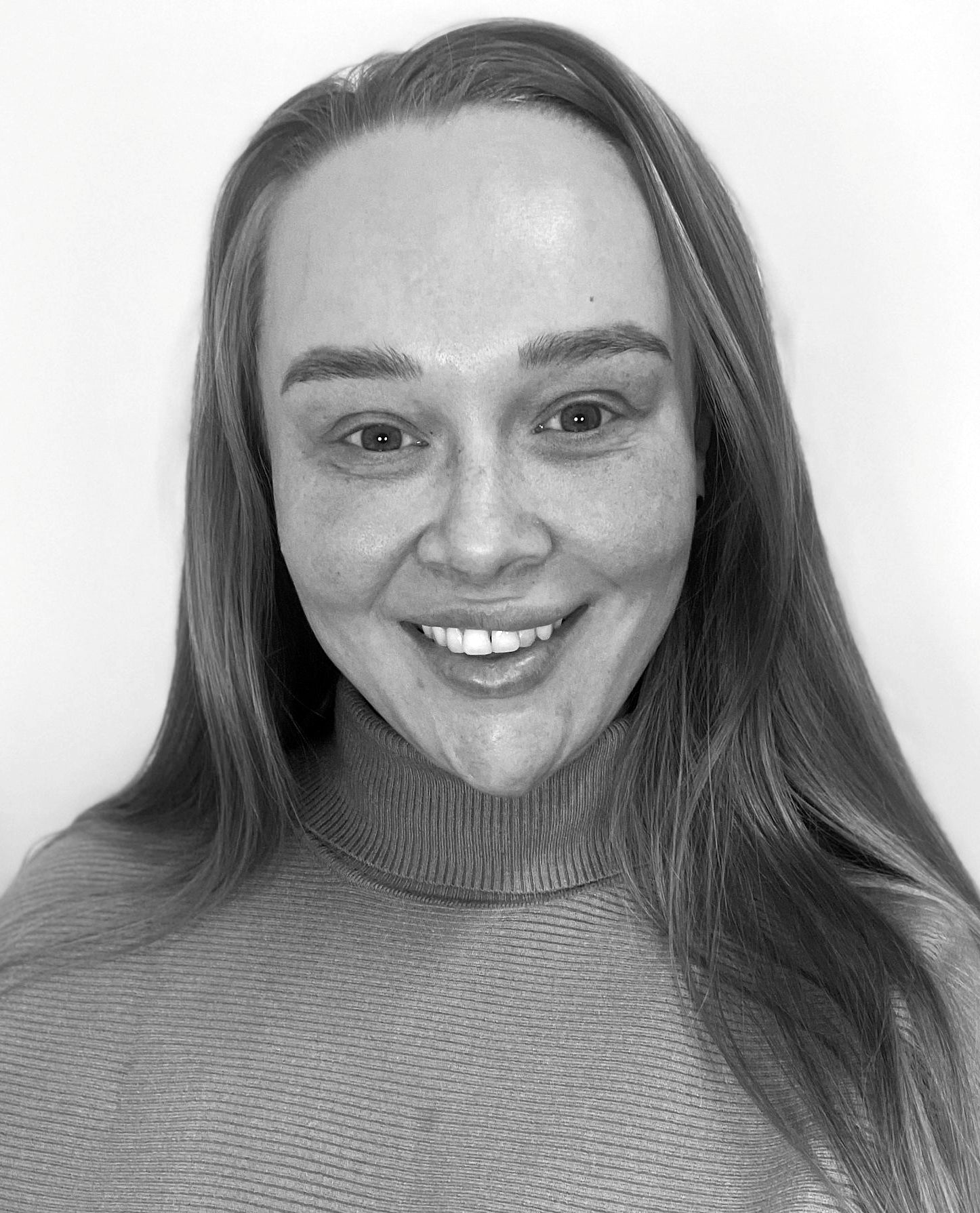
Gemma Cartwright | Nurse Practitioner & Owner | Aesthetic Creations Doncaster
"I have completed treatments on 20 clients over the last four weeks, using Pure Tone's RF Microneedling machine and the results are outstanding. Every client has booked in for a second treatment - the results speak for themselves!"
-
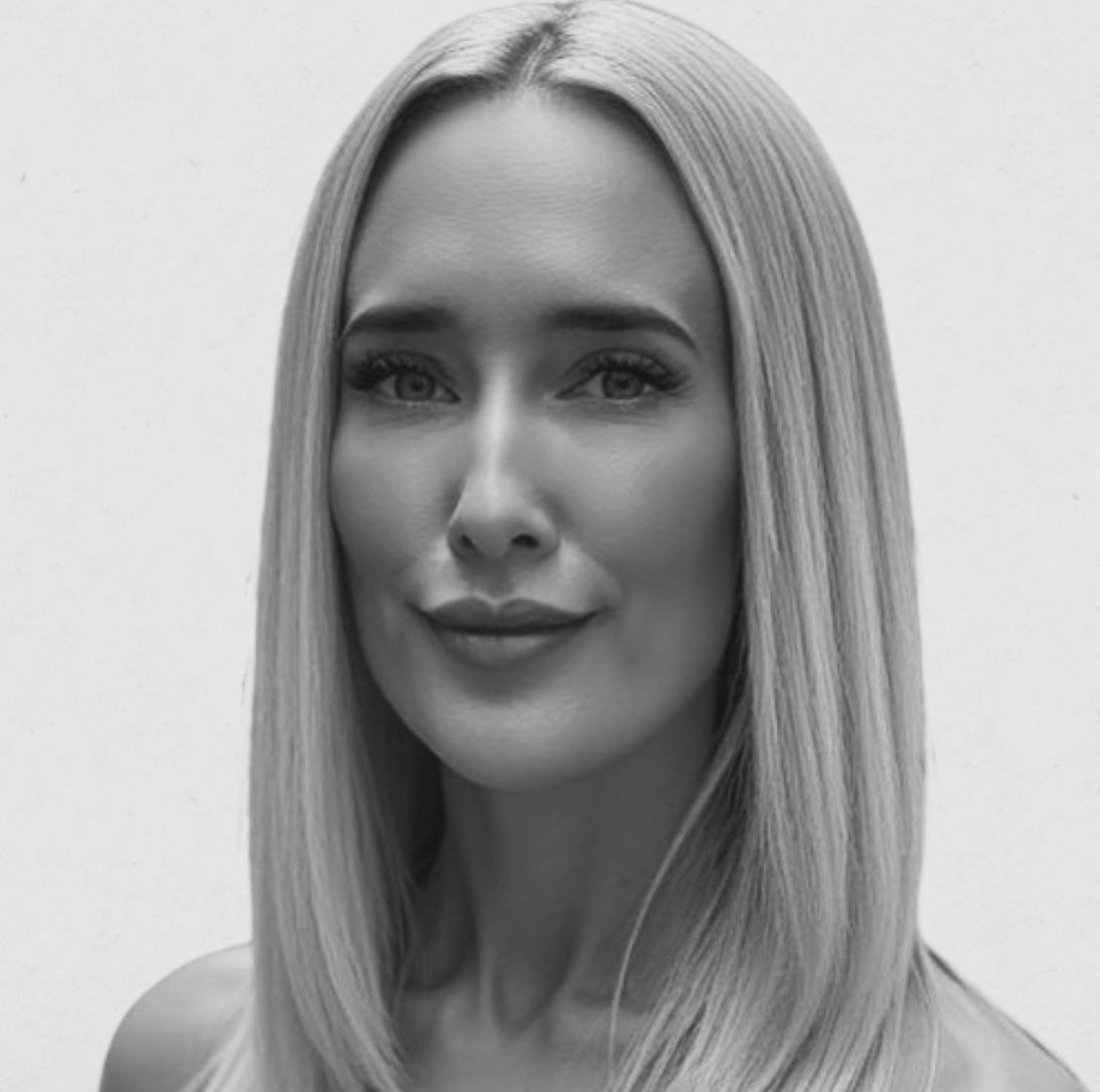
Emma Noble | Nurse Practitioner & Owner | The Laser Rooms Hartlepool
"The team at Pure Tone is not only professional but also incredibly friendly. Their expertise and attention to detail ensure that both practitioners and clients achieve the best outcomes. I highly recommend Pure Tone Aesthetics for anyone seeking reliable, high-quality equipment backed by superb support and a team you can trust"
-
"Proud to be a CPD Approved Provider, demonstrating our commitment to the highest standards of training and excellence in aesthetics!"
